
































A hearing aid should help you catch your granddaughter’s punchline at dinner, follow a neighbor’s voice in a busy restaurant, and feel less worn out after conversation. That is why hearing aid technology trends are worth watching: the best changes are not about having more features on a tiny device. They are about making everyday listening feel more natural, comfortable, and connected.
For adults considering hearing care, the options can sound complicated quickly. Bluetooth, artificial intelligence, rechargeable batteries, remote adjustments, and over-the-counter devices are all part of the conversation. Understanding what these terms can realistically do makes it easier to focus on what matters most to you: hearing more and living more.
Hearing aid technology trends are becoming more personal
Modern hearing aids are increasingly designed to respond to the listening environment around you. Rather than simply making every sound louder, many devices use multiple microphones and digital processing to identify speech, reduce some background noise, and adjust settings as you move from a quiet living room to a crowded store.
This does not mean background noise disappears. Restaurants, family gatherings, and community events are challenging for everyone, including people with typical hearing. But better sound processing can make speech easier to follow and may reduce the effort required to listen. For someone who has started declining invitations because conversation feels exhausting, that difference can be meaningful.
Better speech support in noisy places
One of the most useful developments is improved directionality. In simple terms, hearing aids can give more attention to voices in front of you while reducing competing sound from other directions. Some models can also recognize certain listening situations and change their approach automatically.
The benefit depends on the person, the hearing loss, and the setting. A device may perform very well during a one-on-one conversation across the kitchen table but still need extra help in a loud restaurant. In those moments, sitting with your back to the noise, choosing a quieter table, and facing the person speaking remain valuable strategies.
AI is a tool, not a promise of perfect hearing
Artificial intelligence is appearing in more hearing aids, often to help the device classify sounds and make faster adjustments. It may distinguish between speech, music, wind, or traffic noise and choose settings meant for that situation. Some technology can also learn from preferences over time.
The phrase “AI” can make a feature sound more dramatic than it is. It does not restore natural hearing or eliminate every difficult listening situation. Still, when it is thoughtfully fitted to your hearing needs, it can support a more comfortable listening experience without requiring you to adjust controls all day.
Rechargeable hearing aids are changing daily routines
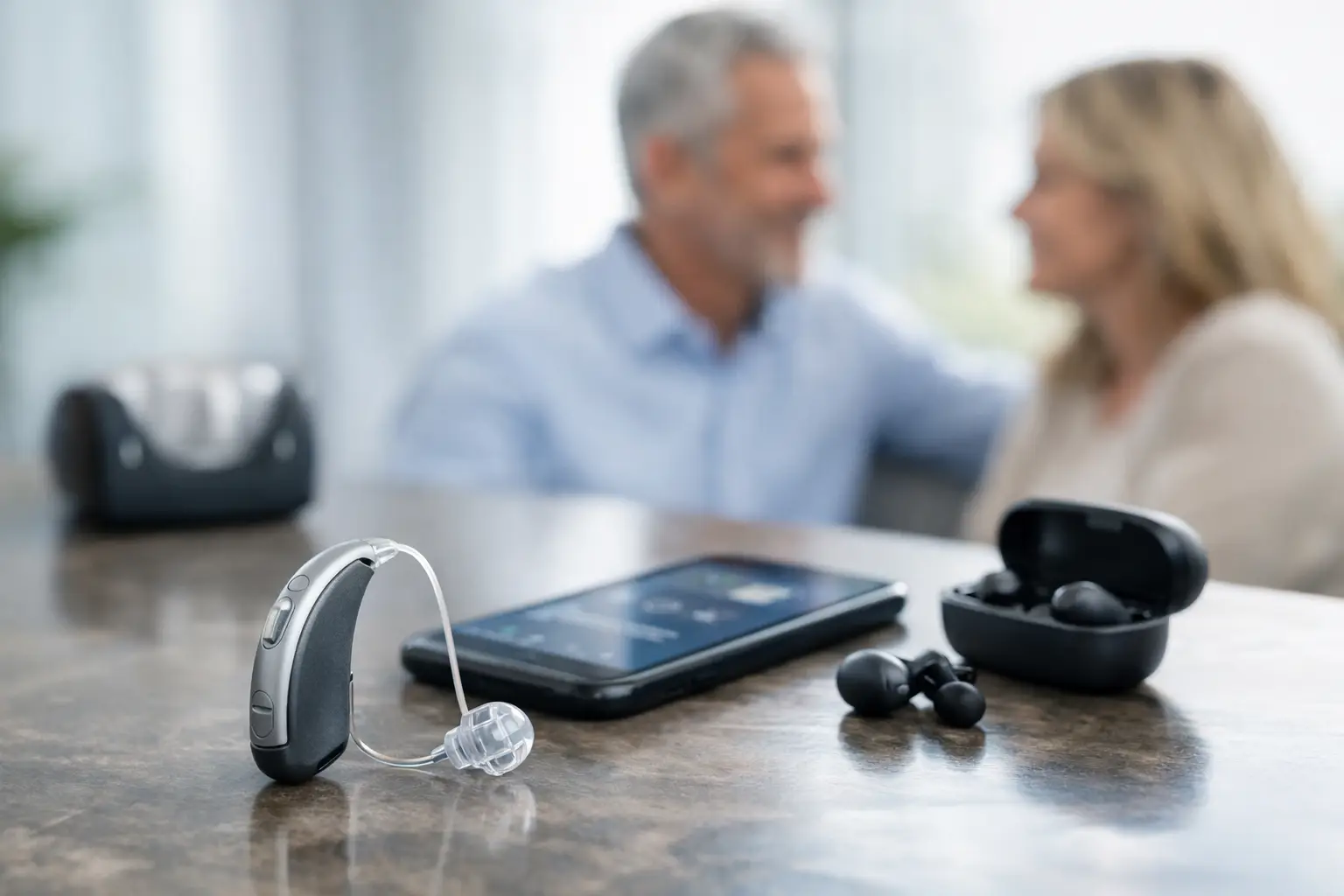
For many people, rechargeable hearing aids are among the most practical advances. Instead of opening small battery doors and changing disposable batteries every few days, you place the devices in a charging case overnight. A full charge often lasts through a typical day, although battery life varies by model and by how heavily you stream calls or audio.
This can be especially helpful for people with arthritis, reduced vision, or limited hand dexterity. It also means fewer last-minute moments of discovering that a battery has run out before an appointment or family event.
There are trade-offs. Rechargeable devices need reliable access to power, which may take a little planning during travel or a power outage. Some people prefer replaceable batteries because they can carry spares. The right choice is the one that fits your routine rather than the one that sounds newest.
Phone connectivity can make conversations easier
Many current hearing aids connect directly to compatible smartphones. Depending on the device and phone, this can allow phone calls, video chats, podcasts, music, or navigation directions to stream into the hearing aids. For people who regularly talk with children or grandchildren by phone, clearer audio can make a real difference.
Companion apps may also let you adjust volume, switch programs, locate a misplaced hearing aid, or check battery status. These controls can be convenient, but they should not feel like another piece of technology you have to manage. A good provider can show you which features are useful, help set them up, and make sure you are comfortable using them.
It is also fine if smartphone features are not a priority. You do not need to be highly technical to benefit from hearing aids. Simple controls, reliable performance, and professional support are often more valuable than an app with dozens of settings.
Remote care adds convenience, with limits
Remote hearing care has become more common. In some cases, a hearing professional can make certain programming adjustments from a distance, saving a trip to the office. Virtual follow-ups can also be useful for discussing comfort, battery use, cleaning, or changes you are noticing in daily life.
For Michigan residents facing winter weather, long drives, or a busy caregiving schedule, that convenience can be welcome. Still, remote care is not a full replacement for in-person appointments. Earwax, physical fit, changes in hearing, and hands-on testing may require an office visit. The strongest care plans use both options when appropriate.
Smaller designs and better comfort are still major trends
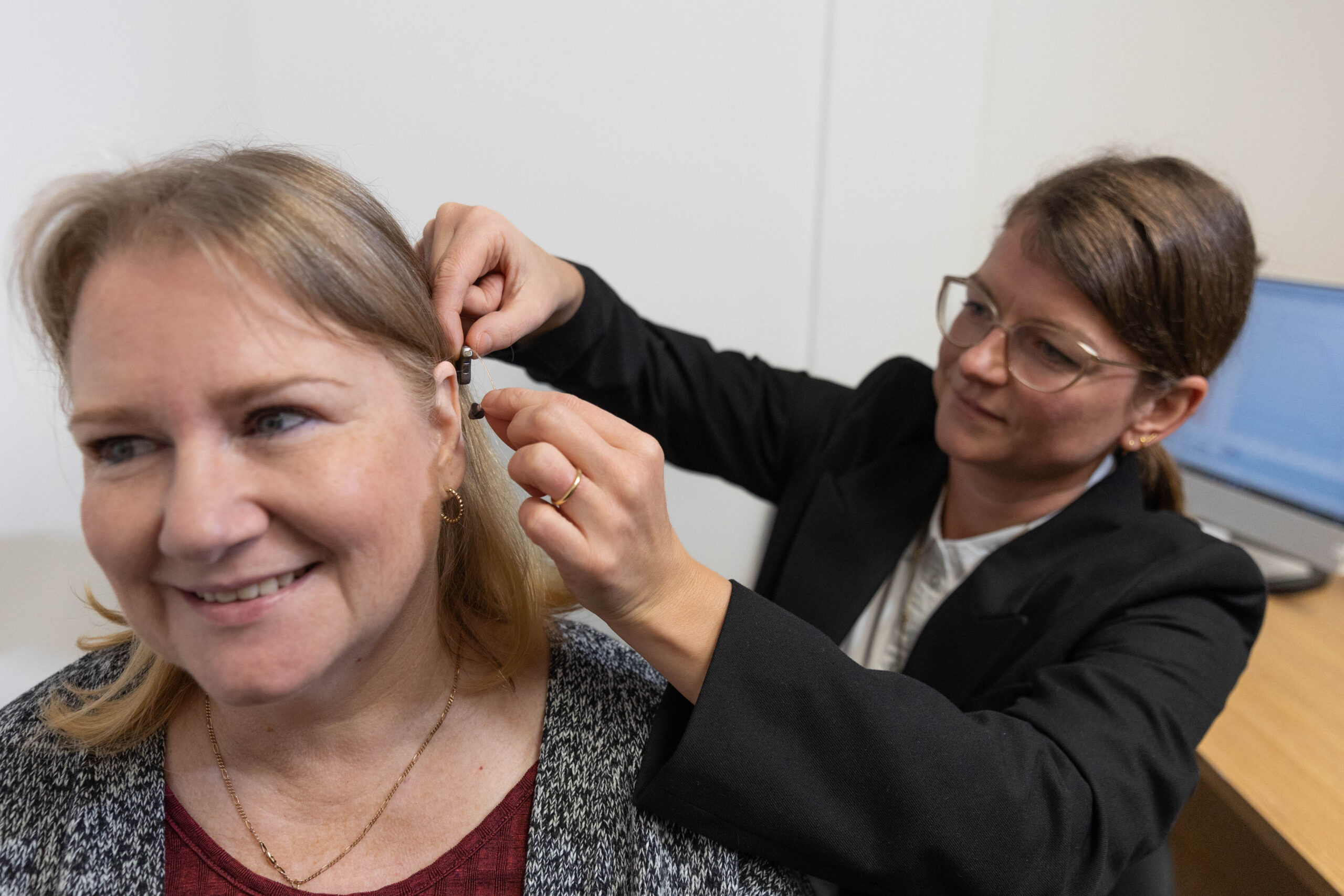
Hearing aids have become smaller and more discreet, but size is only one part of comfort. Modern options include devices that sit behind the ear, styles that fit inside the ear, and designs with slim tubing or speakers placed in the ear canal. The best style depends on your hearing loss, ear shape, dexterity, comfort preferences, and lifestyle.
A nearly invisible device may appeal to someone worried about appearance, but a slightly larger style may be easier to handle and offer more battery capacity or control options. There is no one “best” look. The goal is a device you will feel comfortable wearing consistently, because consistent use gives your brain time to adapt to sound again.
Hearing aid technology trends also include more ways to buy
Over-the-counter hearing aids are now available for adults with perceived mild to moderate hearing loss. They can offer a lower-cost starting point for some people, particularly those who are comfortable managing setup and adjustments independently.
But they are not right for every situation. A professional evaluation is especially worthwhile if hearing loss is uneven between ears, has come on suddenly, is accompanied by dizziness or ear pain, or makes conversations difficult even in quieter places. It is also helpful when you are unsure what level of hearing support you need.
Professional fitting goes beyond selecting a device. It includes checking hearing levels, examining the ears when appropriate, programming the technology, verifying how it performs, and supporting you while you adjust. That guidance can matter as much as the hearing aid itself.
What to ask before choosing new technology
Start with your real listening life, not a feature list. Think about where communication breaks down most often. Is it the television? Phone calls? Coffee with friends? Meetings at work? A spouse speaking from another room? Those answers help identify features that may actually help.
Ask how the device handles background noise, whether it is rechargeable, what kind of phone connection it offers, and how follow-up adjustments work. Also ask about comfort, cleaning, repair support, trial periods, and the full cost of ongoing care. Be honest about your confidence with technology and your hand dexterity. A solution that works well on paper but is difficult to use will not serve you well.
Most of all, give yourself permission to take hearing concerns seriously. Better hearing technology can support more than sound. It can support confidence at the table, ease on the phone, and the simple pleasure of feeling present with the people you love. If listening has become harder, a hearing check is a positive next step toward the life you want to keep enjoying.


